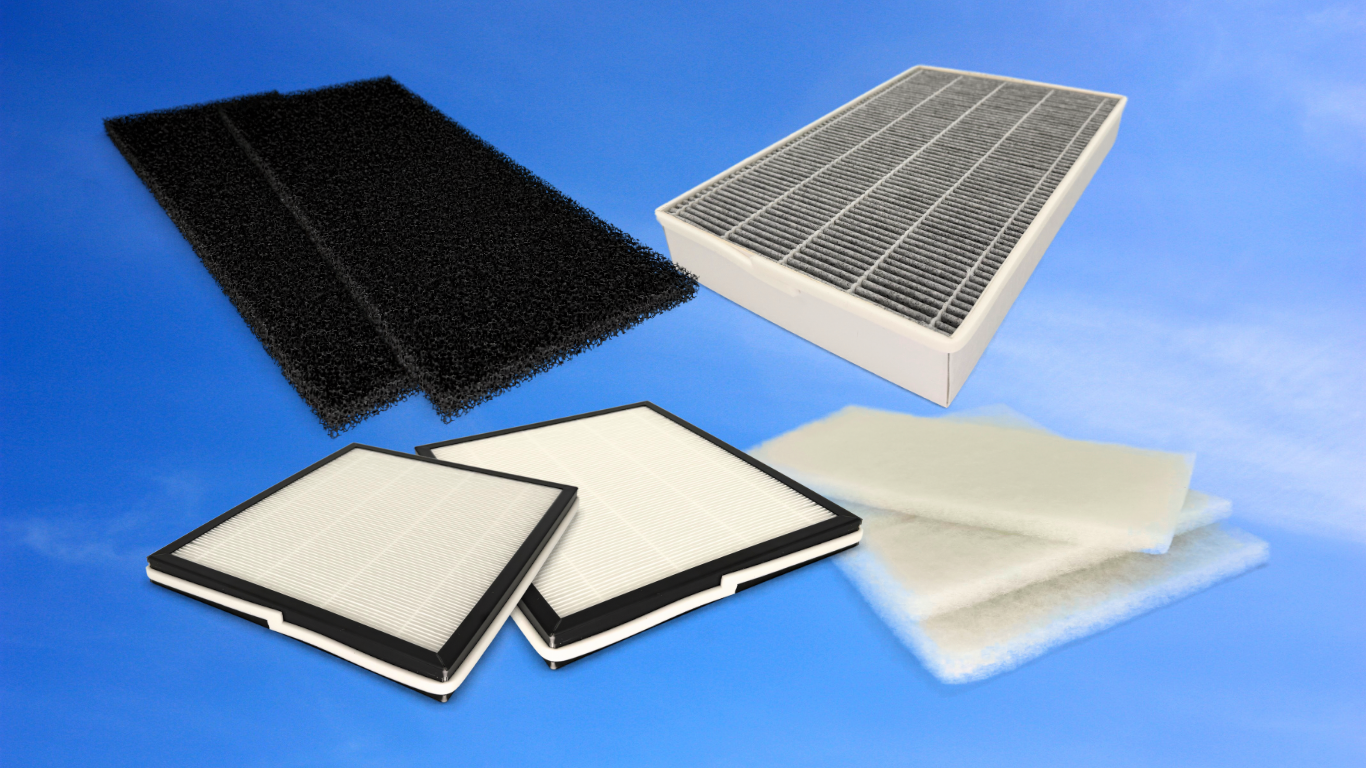
Original Filter or Replacement Filter – Which One Is the Better Choice?
When it's time to replace the filters in your ventilation system, many homeowners face the same question: should you choose an original filter or a replacement filter? The decision can affect indoor air quality, ventilation performance, and long-term maintenance costs.
In this article, we explain the differences between original and replacement filters and help you determine which option is best for your home.
What Is an Original Filter?
An original filter is designed, manufactured, or approved by the manufacturer of the ventilation unit. It is specifically engineered for a particular model or product range.
The benefits of original filters often include:
Precise compatibility with the ventilation unit
Filtration performance according to the manufacturer's specifications
Consistent quality and reliability
Good energy efficiency
Many homeowners prefer original filters because they follow the manufacturer's recommendations and provide peace of mind.
What Is a Replacement Filter?
A replacement filter, sometimes referred to as a compatible or aftermarket filter, is manufactured by a company other than the original ventilation unit manufacturer. High-quality replacement filters are designed to match the dimensions and performance of the original filter as closely as possible.
Today, many replacement filters offer excellent filtration performance at a competitive price.
Advantages of quality replacement filters may include:
Lower purchase cost
Excellent value for money
Availability for a wide range of ventilation systems
In some cases, enhanced filtration performance
However, the quality of replacement filters can vary significantly between manufacturers.
Is an Original Filter Always Better?
Not necessarily.
Many people assume that original filters are automatically superior, but a high-quality replacement filter can often provide comparable performance.
The most important factors are:
The quality of the filter media
The correct filtration class
Proper airflow characteristics
A precise fit within the ventilation unit
A low-quality filter—whether original or replacement—can reduce indoor air quality and increase energy consumption.
How Does Filter Quality Affect Indoor Air Quality?
The primary purpose of a ventilation system is to supply clean air and remove contaminants from indoor spaces. A quality filter helps capture:
Dust and airborne particles
Pollen
Fine particulate matter
Soot and combustion particles
Pet dander
Effective filtration is especially important for allergy sufferers and people living in urban environments where outdoor air pollution levels may be higher.
If a filter does not fit properly or uses poor-quality filter media, contaminants may bypass the filter and enter the indoor air.
Does the Filter Affect Ventilation System Performance?
Yes, it does.
An unsuitable or low-quality filter can:
Restrict airflow
Increase strain on the ventilation unit
Raise energy consumption
Shorten the lifespan of the equipment
For this reason, the most important consideration is not whether the filter is original or replacement, but whether it is high quality and fully compatible with the ventilation system.
When Is a Replacement Filter a Good Choice?
A replacement filter can be an excellent option when:
You want to reduce costs without compromising quality
You purchase from a reputable supplier
The filter's technical specifications match those of the original filter
The product clearly states its filtration class and compatibility
Many professionals and property owners choose high-quality replacement filters because of their strong balance between performance and cost.
How Can You Identify a High-Quality Filter?
When selecting a filter, pay attention to the following factors:
1. Filtration Class
The filtration class should meet the requirements of your ventilation system. For example, ePM1 filters are highly effective at capturing fine particles.
2. Compatibility
The filter should be specifically designed for your ventilation unit model.
3. Filter Media Quality
High-quality filter materials maintain their filtration performance throughout their service life.
4. Reliable Supplier
Purchase filters from a trusted supplier with expertise in ventilation products and transparent product information.
Original Filter vs. Replacement Filter – Summary
Both original and replacement filters can be excellent choices. The key is selecting a high-quality filter that is compatible with your ventilation system and meets your indoor air quality needs.
If you prefer to follow the equipment manufacturer's recommendations, an original filter may be the right choice. If you are looking for a cost-effective solution without sacrificing performance, a quality replacement filter can offer outstanding value.
Ultimately, regular filter replacement is more important than the label on the box. Clean filters help maintain healthy indoor air, efficient ventilation, and optimal system performance.
Frequently Asked Questions
How Often Should Ventilation Filters Be Replaced?
In most homes, ventilation filters should be replaced twice a year, typically in spring and autumn. However, replacement intervals may vary depending on air quality and environmental conditions.
Can a Replacement Filter Be as Good as an Original Filter?
Yes. A high-quality replacement filter can provide filtration performance that is comparable to an original filter.
Can the Wrong Filter Damage a Ventilation System?
Yes. An incorrectly sized or unsuitable filter can restrict airflow, increase system strain, and reduce overall efficiency.
Should I Buy the Cheapest Filter Available?
Not necessarily. The lowest-priced option does not always provide the best long-term value. Filter quality directly affects indoor air quality, energy efficiency, and ventilation system performance.