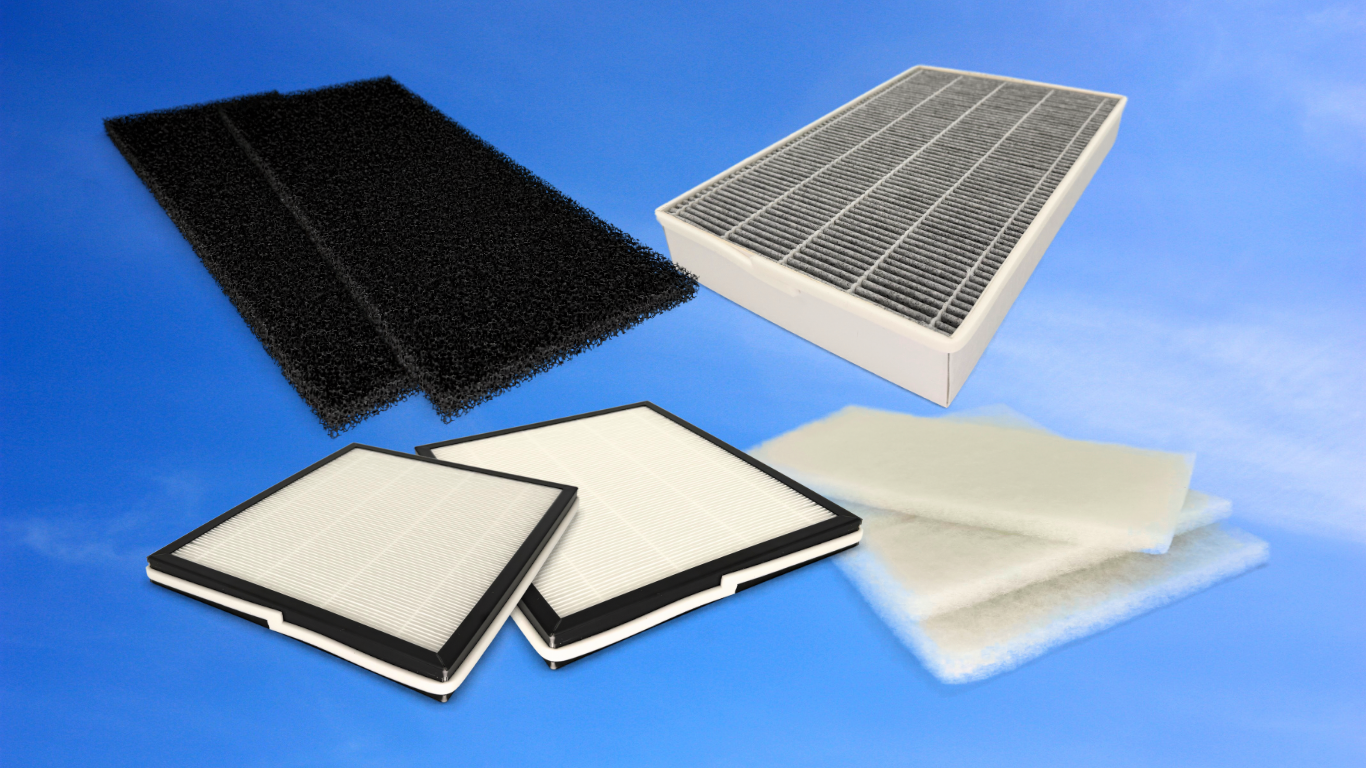
How to Choose the Right HVAC Filter for Your Home
The quality of the air you breathe at home has a direct impact on your comfort, health, and the performance of your ventilation system. However, many homeowners replace their ventilation filters without fully understanding which type of filter is best suited for their needs. Choosing the right HVAC filter is not just a technical decision—it also affects energy consumption, indoor air quality, and the lifespan of your ventilation system.
In this article, we’ll explain how to choose the right HVAC filter for your home and what factors you should consider before purchasing a new filter.
Why Is Choosing the Right HVAC Filter Important?
The primary function of a ventilation filter is to prevent dust, pollen, fine particles, and other airborne contaminants from entering your indoor environment. At the same time, it protects the ventilation unit from dirt and helps maintain efficient system performance.
An incorrect or worn-out filter can significantly reduce the effectiveness of your ventilation system. This may result in stale indoor air, increased dust accumulation, or even higher energy consumption. For households with allergy sufferers, selecting the appropriate filtration level is especially important.
Check the Brand and Model of Your Ventilation Unit
The first step in choosing the right HVAC filter is identifying the manufacturer and model of your ventilation system. Filters are often designed for specific units, meaning that one filter type does not fit all systems.
Some of the most common ventilation brands used in Finland include Vallox, Enervent, Swegon, Ilto, and Flexit. The model information can usually be found on the side of the unit, inside the service hatch, or in the user manual.
Once you know the exact model of your ventilation unit, finding compatible filters becomes much easier. This also ensures that the system continues to operate according to the manufacturer's specifications.
What Do Different Filter Classes Mean?
HVAC filters are categorized into different filter classes that indicate their filtration efficiency. The most common options used in residential ventilation systems are coarse filters and fine filters.
Coarse filters capture larger particles such as dust and debris. Fine filters, on the other hand, are more effective at removing smaller particles, pollen, and other contaminants from outdoor air.
Many homes use a combination of filters, where one filter protects the ventilation equipment while another improves indoor air quality. For allergy sufferers and people living in urban areas, a higher-efficiency fine filter is often recommended due to increased exposure to pollen and fine particulate matter.
Should You Choose a More Efficient Filter?
A higher-efficiency filter can significantly improve indoor air quality, but it is important to ensure compatibility with your ventilation system. A filter that is too dense may increase airflow resistance, causing the ventilation unit to work harder than intended.
For this reason, it is essential to balance filtration performance with system efficiency. A high-quality filter designed for the intended application provides excellent filtration without placing unnecessary strain on the ventilation system.
How Often Should an HVAC Filter Be Replaced?
In most homes, HVAC filters should be replaced two to four times per year. The ideal replacement interval depends on factors such as location, outdoor air quality, the presence of pets, and the intensity of pollen seasons.
A dirty filter reduces ventilation efficiency and may increase energy consumption. Regular filter replacement helps maintain healthy indoor air and extends the lifespan of the ventilation system.
Common signs that a filter needs replacing include increased dust levels, reduced ventilation performance, or unusual noise from the ventilation unit.
A Quality HVAC Filter Is an Investment in Indoor Air Quality
Choosing the right HVAC filter improves living comfort, protects your ventilation system, and helps maintain healthier indoor air throughout the year. While selecting a filter may seem like a small detail, it has a significant impact on both indoor air quality and the overall performance of your ventilation system.
By selecting a filter that matches your ventilation unit model and your household's specific needs, you can ensure efficient ventilation and cleaner indoor air in every season.