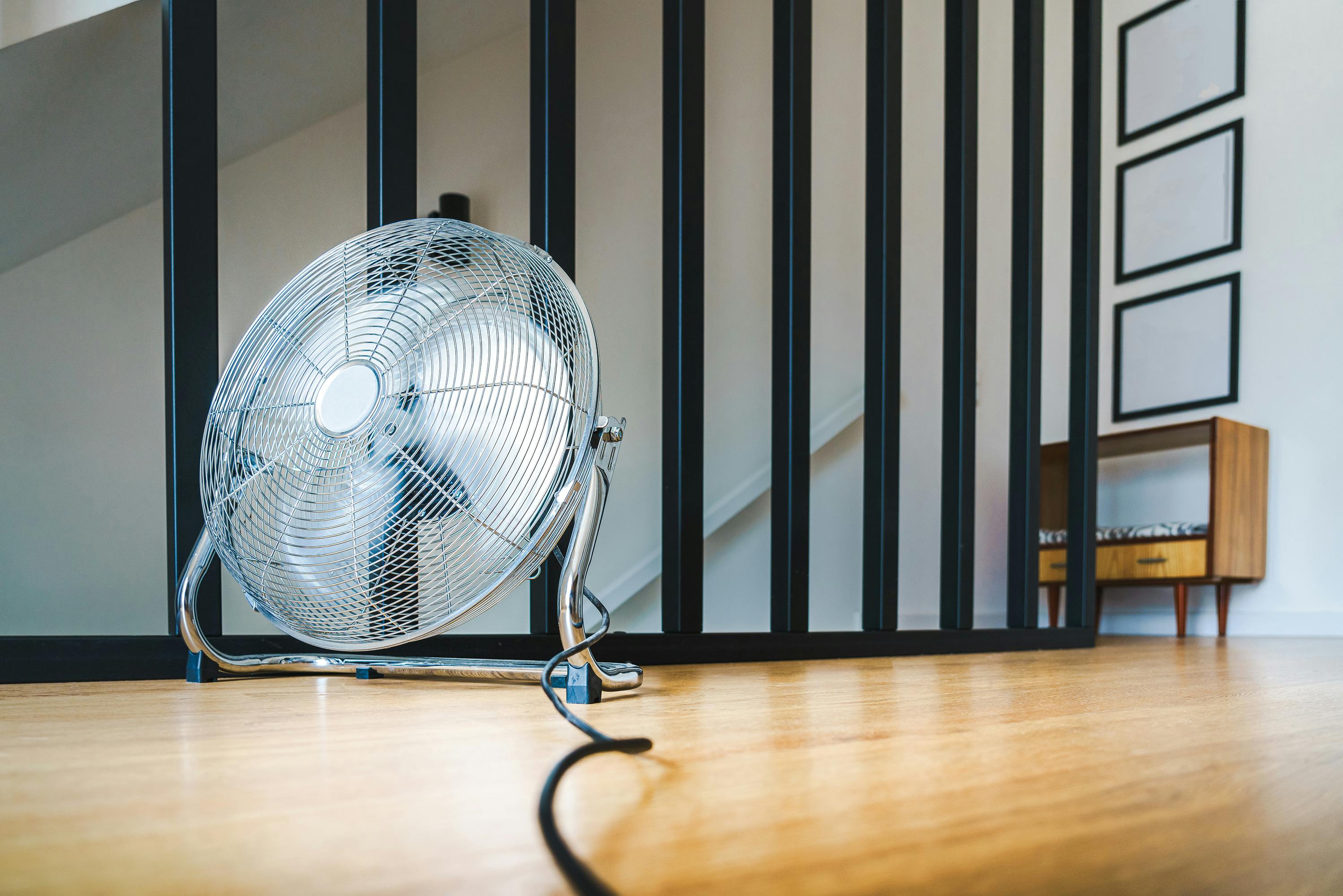
Is It Worth Keeping Ventilation Running During the Summer?
Many homeowners wonder whether it is necessary to keep their ventilation system running during the summer months or if turning it off could help save energy. Even though windows are often left open and outdoor air feels fresh, proper ventilation remains essential for maintaining healthy indoor air quality throughout the summer.
In this article, we'll explain why ventilation should generally stay on during the summer, how it affects indoor comfort, and what you should know about ventilation filters during the warmer months.
Why Is Ventilation Important in Summer?
Ventilation does much more than heat or cool the air. Its primary purpose is to remove moisture, pollutants, carbon dioxide, and odors from indoor spaces while bringing in fresh outdoor air.
During summer, indoor air still accumulates:
- Moisture from showers and cooking
- Carbon dioxide from people and pets
- Pollen and outdoor dust
- Various odors and airborne pollutants
If ventilation is completely switched off, indoor air can quickly become stale and humid. Over time, poor ventilation may also increase the risk of moisture-related issues and mold growth.
Can You Turn Off Ventilation During Summer?
In general, it is not recommended to switch off ventilation completely, even during the summer. Mechanical ventilation systems should ideally remain operational year-round, at least at a basic setting.
Turning off ventilation entirely can lead to:
- Increased indoor humidity
- Poor indoor air quality
- Accumulation of unpleasant odors
- Moisture-related damage to building structures
- Increased buildup of contaminants within ventilation ducts
Instead of shutting the system down, it is usually better to adjust the ventilation settings for summer operation. Many ventilation units include a dedicated summer mode or allow airflow levels to be reduced.
Summer Heat and Ventilation – Does It Help or Make Things Worse?
During heatwaves, it may seem as though the ventilation system is bringing warm air indoors. However, turning off ventilation rarely solves the problem.
A properly functioning ventilation system helps:
- Remove excess heat that builds up indoors
- Reduce feelings of humidity and stuffiness
- Maintain fresher indoor air even during hot weather
The best approach during summer heat is often to optimize ventilation settings and take advantage of cooler outdoor temperatures during the evening and nighttime.
Tips for Summer Ventilation
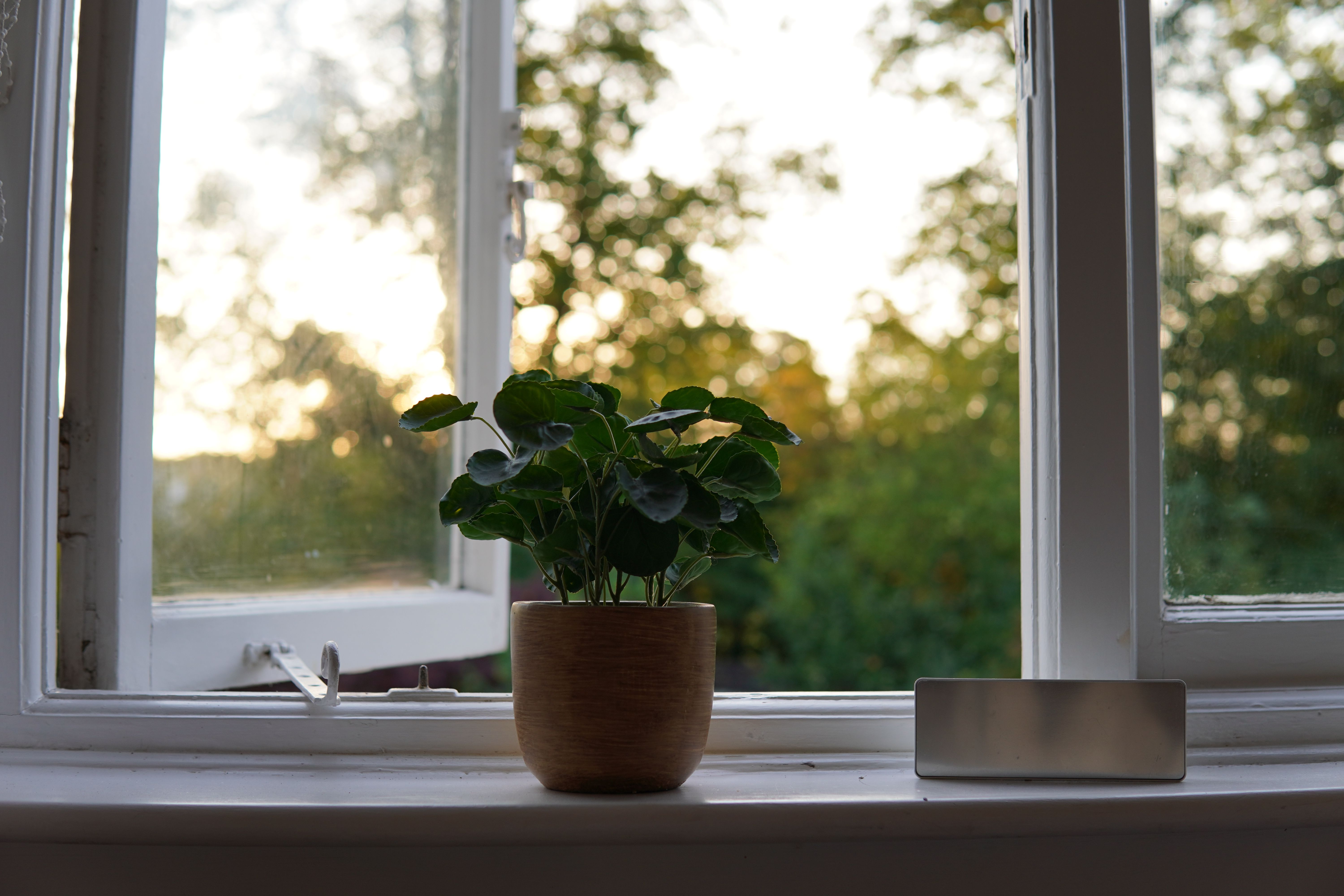
- Ventilate naturally during early mornings and late evenings.
- Keep your ventilation system running.
- Use summer bypass mode if your unit has this feature.
- Replace dirty ventilation filters regularly.
- Keep blinds and curtains closed during the hottest parts of the day.
Summer Is Also Pollen Season
Ventilation becomes especially important during pollen season. High-quality ventilation filters help reduce the amount of pollen, dust, and other airborne particles entering your home.
Dirty or worn-out filters cannot clean the air as effectively. For this reason, regular filter replacement is important during summer as well.
Many homeowners are surprised by how much dirt and debris accumulate in filters within just a few months, particularly during spring and summer.
Does Ventilation Use a Lot of Electricity in Summer?
The electricity consumption of a ventilation system is generally quite low compared to the benefits it provides in terms of indoor air quality, comfort, and building protection.
Any small energy savings achieved by turning off ventilation can ultimately become expensive if indoor air quality problems or moisture damage occur.
A well-maintained ventilation system with clean filters also operates more efficiently and consumes less energy.
When Can Ventilation Be Reduced?
Although ventilation should generally not be turned off completely, airflow can sometimes be temporarily reduced, for example:
- During extended periods away from home
- In vacation homes that are not in use
- During particularly cool summer nights
However, it is important to ensure that the system continues to provide at least a minimum level of ventilation.